
Exploring the crucial role of 3D modeling in residential design planning, this introductory paragraph aims to spark curiosity and provide a glimpse into the innovative world of architectural visualization and collaboration.
 Delving deeper into the realm of 3D modeling, we uncover its impact on design concepts and the early detection of potential flaws, revolutionizing the planning process.
.
Delving deeper into the realm of 3D modeling, we uncover its impact on design concepts and the early detection of potential flaws, revolutionizing the planning process.
.
Delving deeper into the realm of 3D modeling, we uncover its impact on design concepts and the early detection of potential flaws, revolutionizing the planning process.
The Importance of 3D Modeling in Residential Design Planning
D modeling plays a crucial role in residential design planning, offering numerous benefits that enhance the overall process.
Enhanced Visualization of Design Concepts
- 3D modeling allows designers and clients to visualize the proposed design concepts in a realistic and detailed manner.
- By creating lifelike representations of the space, stakeholders can better understand the layout, materials, and overall aesthetic of the design.
- This visual clarity helps in making informed decisions and ensures everyone is on the same page regarding the design vision.
Early Identification of Design Flaws
- One of the key advantages of 3D modeling is the ability to identify potential design flaws early in the planning process.
- By exploring the design in a virtual environment, designers can detect issues such as spatial constraints, structural challenges, or aesthetic inconsistencies before construction begins.
- This proactive approach minimizes the risk of costly revisions or delays during the later stages of the project.
Tools and Software for 3D Modeling in Residential Design Planning
When it comes to 3D modeling in residential design planning, having the right tools and software is crucial to bring your vision to life. There are several popular software options available in the market, each offering unique features and capabilities.Popular Software for 3D Modeling
- Autodesk Revit: Known for its BIM (Building Information Modeling) capabilities, Revit is widely used in the architecture and construction industry for its parametric modeling features.
- SketchUp: User-friendly and versatile, SketchUp is popular among designers and architects for its ease of use and extensive 3D modeling capabilities.
- 3ds Max: A powerful tool for creating detailed 3D models, 3ds Max is often used for rendering and visualization in residential design projects.
Comparing Features of Different 3D Modeling Tools
Each software has its strengths and weaknesses, so it's essential to consider the specific requirements of your project before choosing the right tool. Autodesk Revit, for example, is great for collaborative projects that require precise measurements and data integration. SketchUp, on the other hand, is ideal for quick conceptual modeling and easy visualization. 3ds Max excels in creating high-quality renderings and animations for presentations.Choosing the Right Software
- Consider the complexity of your project: If you need detailed structural information and collaboration with other professionals, Revit might be the best choice.
- Assess your expertise level: Some software may have steeper learning curves, so it's important to choose a tool that matches your skill level and familiarity with 3D modeling.
- Explore trial versions: Many software companies offer free trials, allowing you to test the features and functionalities before committing to a specific tool.
Integration of 3D Modeling with Virtual Reality (VR) in Residential Design
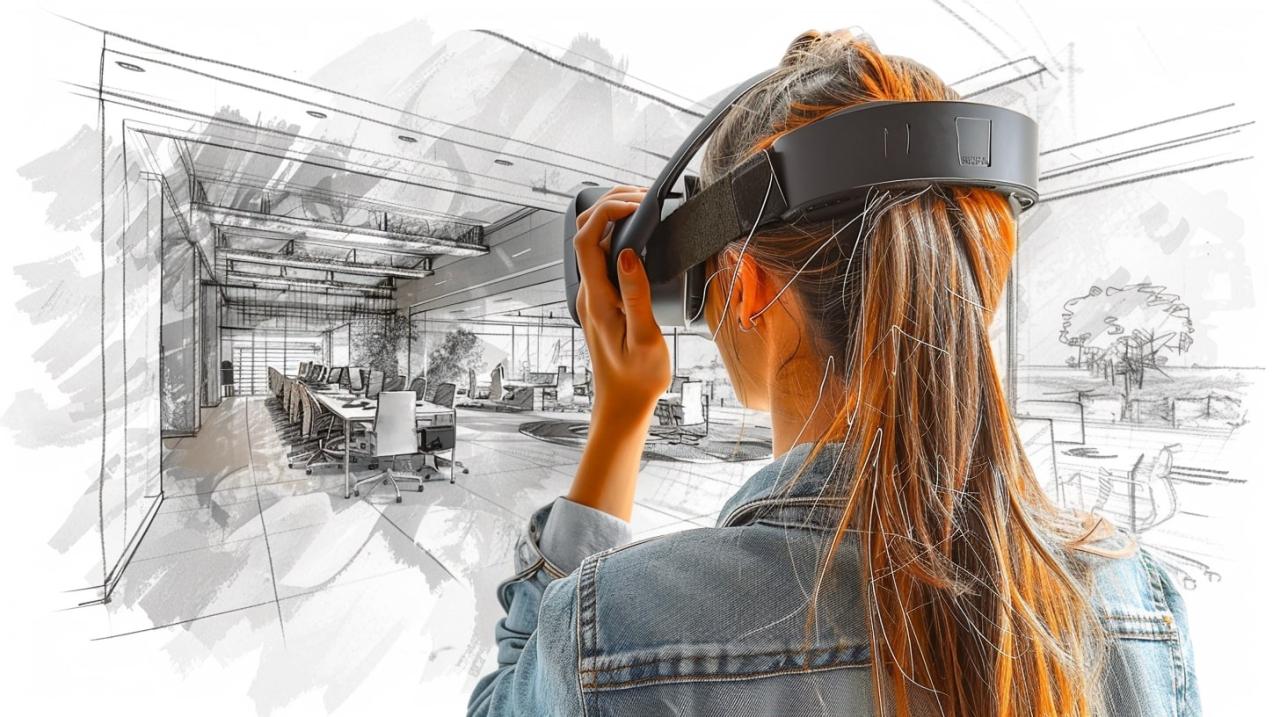
The integration of 3D modeling with Virtual Reality (VR) technology has revolutionized the way residential design planning is approached. By combining these two powerful tools, designers can offer clients a truly immersive and interactive experience that goes beyond traditional 2D drawingsEnhancing the 3D Modeling Experience
Virtual Reality technology enhances the 3D modeling experience by allowing clients to visualize and experience their future homes in a realistic and immersive way. By putting on a VR headset, clients can take virtual walkthroughs of the design, exploring every detail as if they were actually inside the space. This level of immersion helps clients better understand the scale, proportions, and spatial relationships within the design, leading to more informed decision-making and ultimately a higher level of satisfaction with the final result.Benefits of Integrating VR with 3D Modeling
Improved Client Communication VR allows designers to effectively communicate their design ideas to clients, even those without a background in architecture or design, by providing a more intuitive and immersive experience. Enhanced Design Collaboration Clients can provide feedback in real-time during a VR walkthrough, allowing for quick adjustments and revisions to the design before construction begins. Increased Design Accuracy By experiencing the design in VR, clients can catch potential issues or design flaws early on, leading to a more accurate and efficient design process. Marketing and Sales Tool VR walkthroughs can also be used as a powerful marketing tool to showcase residential properties to potential buyers, giving them a realistic preview of the space before it is built.Examples of Successful Projects
- The Marselle Condominiums in Seattle, Washington utilized VR technology to offer potential buyers virtual tours of the units, resulting in increased pre-sales and faster decision-making.
- The Peninsula Residence in California used VR to allow clients to explore different design options and finishes before making final selections, leading to a more personalized and tailored design process.
- The Ritz-Carlton Residences in Miami Beach utilized VR walkthroughs to showcase the luxury amenities and oceanfront views, attracting high-end buyers from around the world.
Collaboration and Communication through 3D Modeling in Residential Design
D modeling plays a crucial role in enhancing collaboration and communication among architects, designers, and clients in residential design projects. By providing a visual representation of the design concepts, 3D models help all parties involved to have a clear understanding of the project's vision and make informed decisions throughout the design process.Facilitating Collaboration
- 3D models act as a common language for architects, designers, and clients to share and discuss ideas effectively.
- Real-time collaboration on 3D models allows for instant feedback and adjustments, leading to more efficient decision-making.
- Collaborating through 3D modeling eliminates misinterpretations that may arise from traditional 2D drawings, ensuring everyone is on the same page.
Effective Communication of Design Ideas
- Utilize 3D models to showcase different design options and variations to clients, helping them visualize the final outcome more accurately.
- Include detailed renderings and walkthroughs in 3D models to communicate the spatial layout, lighting, and material choices effectively.
- Encourage open communication and feedback from clients by involving them in the 3D modeling process from the early stages of design development.
Presenting Design Proposals to Clients
- Presenting design proposals through 3D models allows clients to experience the proposed design in a realistic and immersive way.
- Include interactive elements in 3D models to demonstrate design functionalities and spatial relationships, enhancing client understanding.
- Use 3D models to highlight key design features and unique selling points of the project, making it easier for clients to provide feedback and request revisions.