
In today's world, where comfort is paramount, ensuring your heating and air conditioning systems are in top-notch condition is key. This guide delves into the importance of heat and air repair, common services offered, DIY vs. professional repair, signs indicating repair needs, and preventative maintenance tips.
Let's explore the realm of keeping your home cozy and energy-efficient.
Importance of Heat and Air Repair
Regular maintenance of heating and air conditioning systems is crucial to ensure optimal performance and longevity of the equipment. Neglecting repair and maintenance can lead to a variety of issues that can impact energy efficiency and indoor air quality.Common Issues Without Proper Repair
- Reduced efficiency: Dust and debris buildup can clog filters and ducts, forcing the system to work harder to maintain the desired temperature.
- Poor indoor air quality: Without regular maintenance, contaminants like mold, pollen, and bacteria can accumulate in the system and get circulated throughout the home.
- System breakdowns: Neglecting minor repairs can lead to major malfunctions, resulting in costly repairs or even the need for a full system replacement.
Impact on Energy Efficiency and Indoor Air Quality
Regular maintenance not only improves the efficiency of heating and air conditioning systems but also ensures that indoor air quality remains at a healthy level. By addressing issues promptly, homeowners can save on energy costs and enjoy a comfortable living environment all year round.Common Heat and Air Repair Services
When it comes to maintaining your HVAC system, there are several common repair services that HVAC professionals offer to keep your heating and cooling systems running efficiently. Timely repairs are essential to prevent further damage and ensure the longevity of your HVAC system.Typical Repair Services Offered by HVAC Professionals
- Repairing or replacing faulty thermostats
- Fixing or cleaning clogged filters
- Repairing or replacing damaged ductwork
- Fixing electrical connections
- Replacing worn-out fan belts
Process of Diagnosing Heating and Cooling System Problems
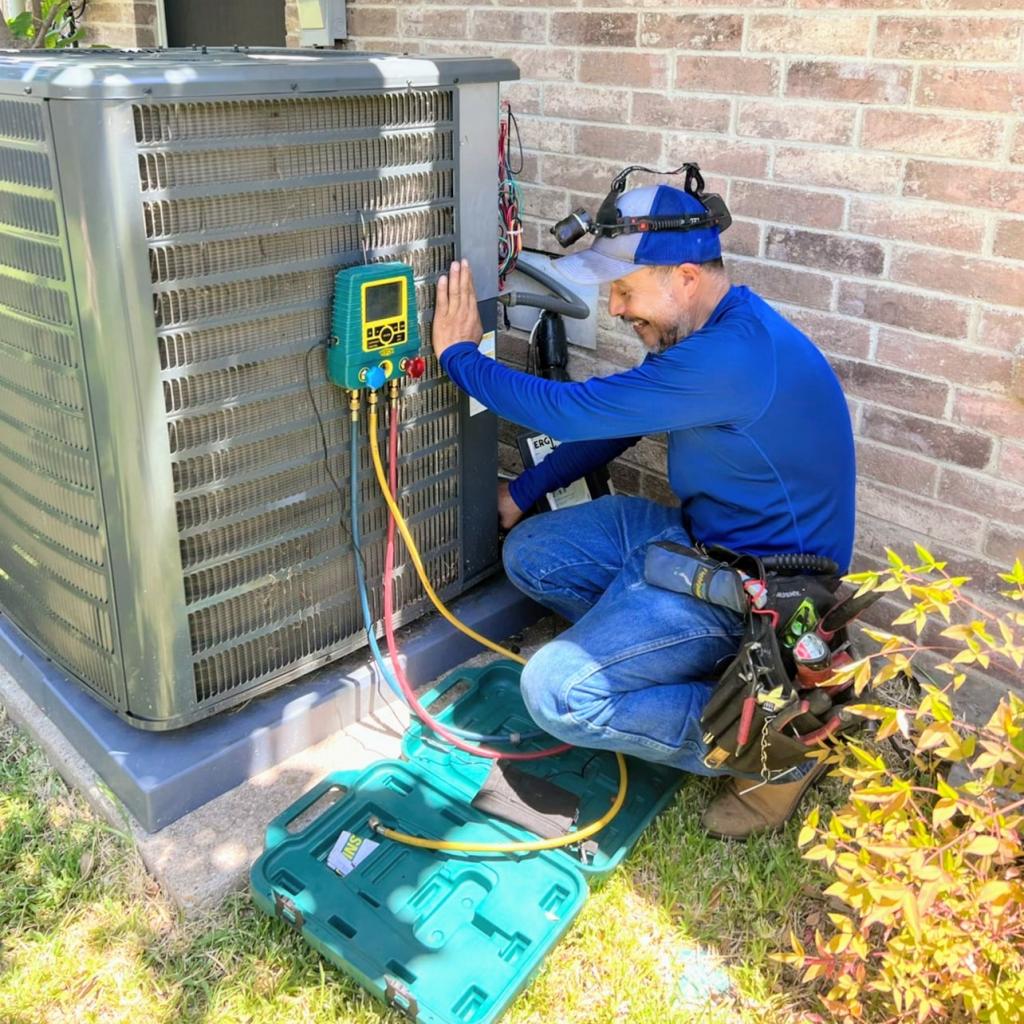
When you call an HVAC professional for repair services, they will typically follow a diagnostic process to identify the underlying issues with your heating and cooling system. This process may involve:- Performing a visual inspection of the system
- Testing the thermostat and other components
- Checking for leaks in the ductwork
- Testing the airflow and temperature settings
- Using specialized tools to identify specific problems
Importance of Timely Repairs
Timely repairs are crucial to prevent further damage to your HVAC system. Ignoring minor issues can lead to more significant problems down the line, resulting in costly repairs or even the need for a full system replacement. By addressing repair needs promptly, you can extend the lifespan of your heating and cooling system and ensure it operates efficiently.DIY vs. Professional Repair
When it comes to heat and air repair, homeowners often face the dilemma of whether to attempt a do-it-yourself (DIY) fix or hire a professional technician. Each option has its own set of advantages and disadvantages, which should be carefully considered before making a decision.Advantages and Disadvantages
- DIY Repair:
- Advantages:
- Cost-effective as you won't have to pay for labor.
- Immediate action can be taken without waiting for an appointment.
- Empowering feeling of fixing something on your own.
- Disadvantages:
- Lack of expertise and knowledge can lead to further damage.
- No guarantees that the repair will be successful.
- Safety risks if dealing with electrical components or gas systems.
- Advantages:
- Professional Repair:
- Advantages:
- Expertise and experience ensure a proper and lasting solution.
- Warranty on the repair work for added peace of mind.
- Safety ensured as professionals are trained to handle all situations.
- Disadvantages:
- Higher cost due to labor and service fees.
- Waiting time for an appointment might be required.
- Advantages:
Simple Troubleshooting Tips
Before calling a professional repair service, homeowners can try some simple troubleshooting steps to see if the issue can be resolved without external help. Here are some tips:- Check the thermostat settings to ensure they are correctly configured.
- Inspect air filters for dirt and clogs, replacing them if necessary.
- Ensure all vents are open and unobstructed for proper airflow.
- Check circuit breakers to see if any have been tripped.
- Inspect outdoor units for debris or blockages that may impede operation.
Seeking Professional Help
While simple issues can often be resolved through DIY efforts, there are times when it is best to seek professional help for complex problems. Here are some situations where professional repair is advisable:- Issues involving electrical components or wiring.
- Refrigerant leaks or HVAC system refrigerant recharge.
- Complex mechanical problems requiring specialized tools or knowledge.
- System malfunctions that persist despite DIY attempts to fix them.
Signs That Indicate the Need for Heat and Air Repair
When it comes to your heating and cooling systems, it's crucial to pay attention to any signs that may indicate a need for repair. Ignoring these signs can lead to more significant issues down the line and potentially costly repairs. Regular maintenance and inspections can help catch these problems early on, ensuring your system runs smoothly.Unusual Sounds
- Clanking or banging noises coming from your HVAC system can indicate loose or broken parts that need immediate attention.
- Squealing or screeching sounds may signal a problem with the blower motor or fan belt, which should be addressed promptly.
- Rattling or vibrating noises could be a sign of loose components or debris in the system that need to be cleaned or tightened.
Strange Smells
- A musty or moldy odor coming from your vents could indicate mold growth within the system, which can affect your indoor air quality.
- A burning smell may suggest an issue with the electrical components or overheating within the system, requiring immediate attention.
- A foul or pungent smell could be a sign of a gas leak, which is a serious safety hazard and requires immediate evacuation and professional assistance.
Performance Issues
- Inconsistent temperatures throughout your home can signal a problem with your thermostat or ductwork that needs to be addressed.
- Increased energy bills without a change in usage could indicate an inefficient system that needs repair or maintenance.
- Frequent cycling on and off or difficulty starting up can point to issues with the compressor or other internal components that require professional attention.
Preventative Maintenance for Heating and Air Systems
Regular maintenance is crucial to ensure that your heating and air conditioning systems function efficiently and last longer. By following a maintenance schedule and taking care of your HVAC system, you can avoid costly repairs and keep your home comfortable all year round.Maintenance Schedule for Heating and Air Conditioning Systems
- Change air filters every 1-3 months to maintain airflow and indoor air quality.
- Inspect and clean the evaporator and condenser coils annually to improve system efficiency.
- Check and clean the blower components to ensure proper airflow.
- Inspect ductwork for leaks, blockages, or damage and repair as needed.
- Schedule professional maintenance at least once a year to identify and address any issues early on.
Benefits of Regular Maintenance
Regular maintenance not only extends the lifespan of your HVAC system but also improves energy efficiency. By keeping your system clean and well-maintained, you can reduce energy consumption, lower utility bills, and prevent breakdowns.Tips for Homeowners
- Keep the area around your outdoor unit clear of debris and vegetation to ensure proper airflow.
- Check thermostat settings regularly to optimize comfort and energy savings.
- Monitor humidity levels and consider using a dehumidifier to maintain indoor air quality.
- Listen for any unusual sounds or odors coming from your HVAC system and address them promptly.
- Consider investing in a programmable thermostat to regulate temperature settings when you're away from home.